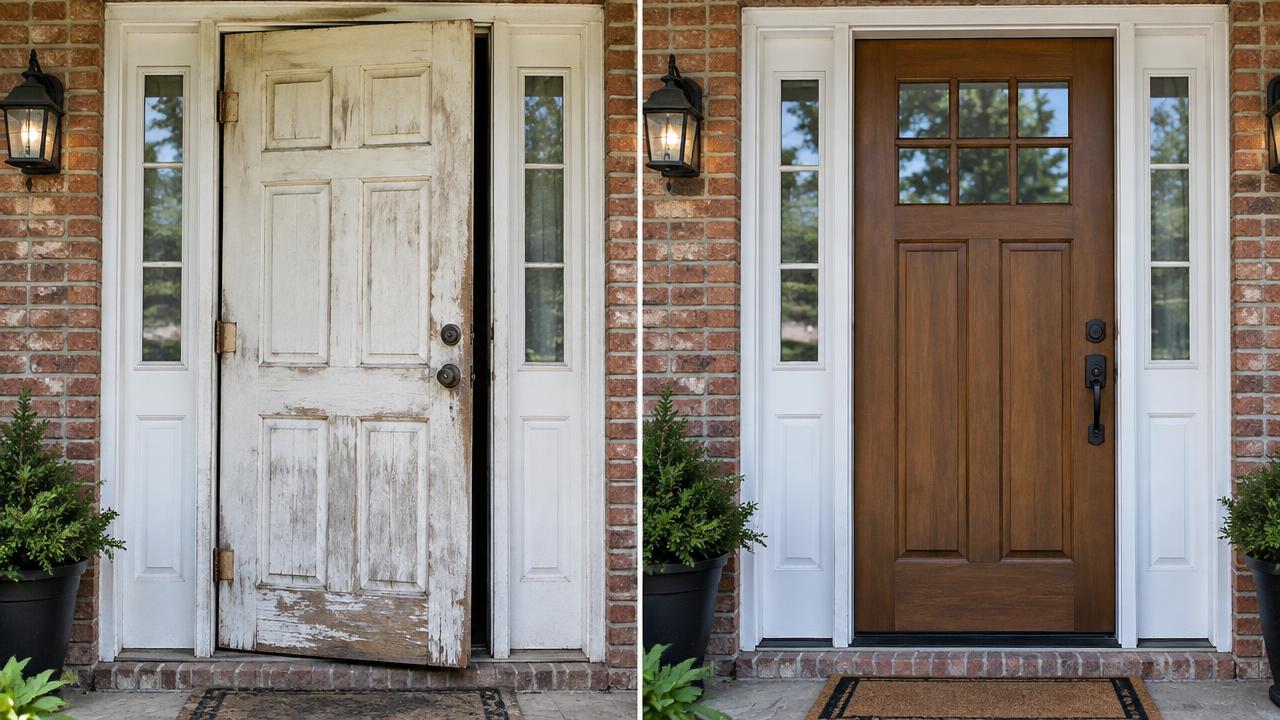
Cold air at the front door is not a sign you need a new door. It's a sign that one of four seals is no longer touching the slab. Work through them in this order and you'll find the gap.
Find the leak first
On a windy day, run your hand slowly around the closed door, or slide a sheet of paper into the gap and close the door on it. If the paper pulls out freely, the seal isn't compressing at that point. Mark each spot with tape before you buy anything.
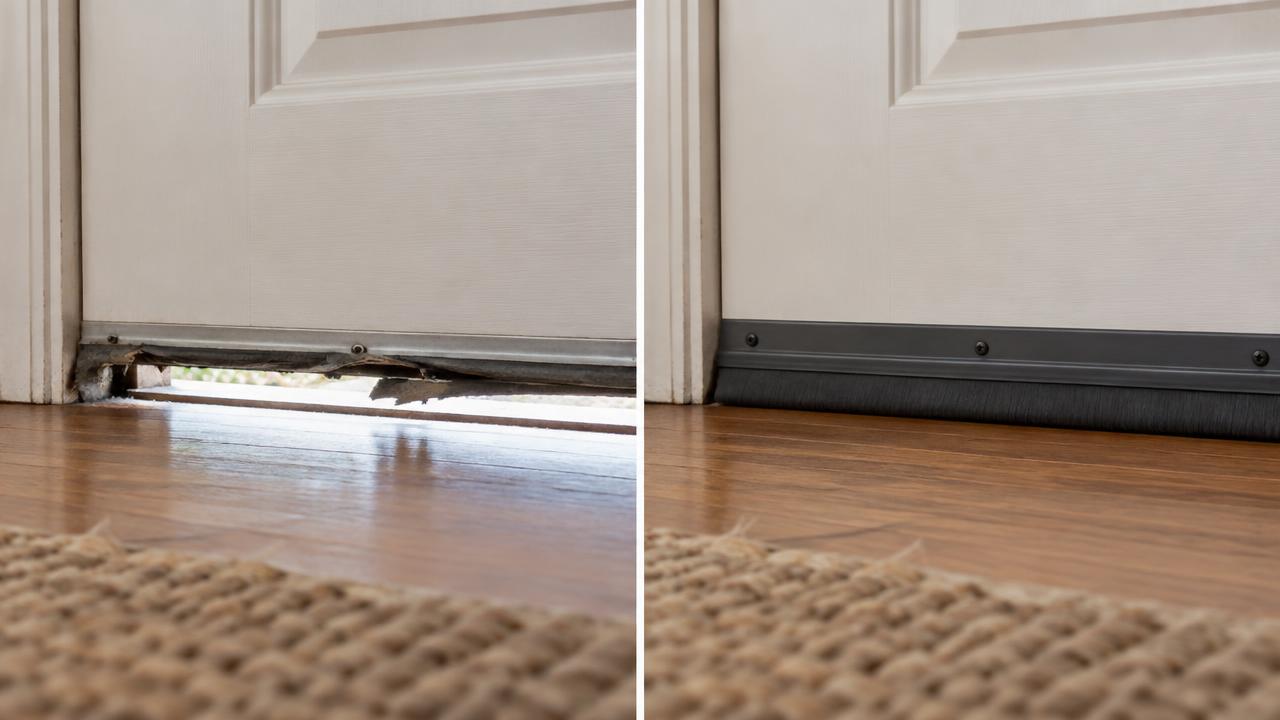
The sweep at the bottom
Bottom sweeps take the most abuse and go hard in cold weather. An adjustable sweep or a new door-bottom with a fresh bulb is a straightforward swap, and it makes the largest single difference on most doors.
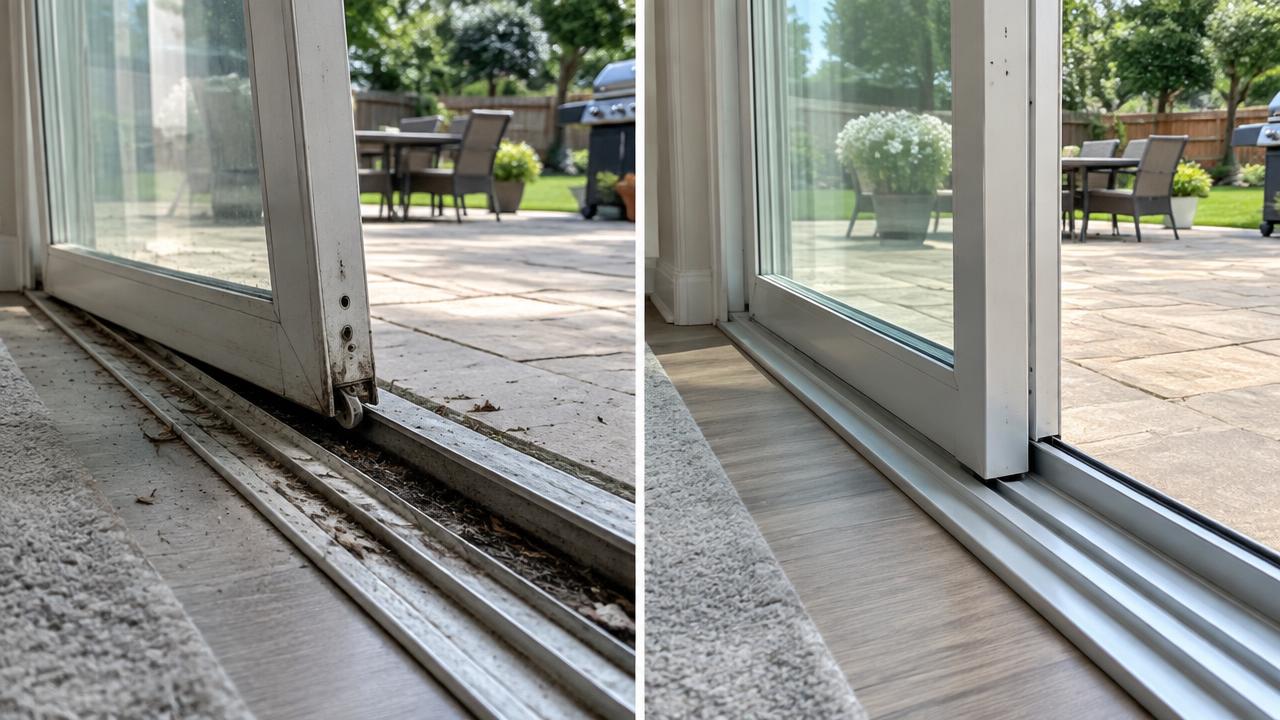
The threshold
Many aluminum thresholds have adjustment screws under the cap. Raising the centre section by a millimetre or two restores contact along the bottom without making the door hard to open.
Jamb weatherstripping
Kerf-in foam and bulb seals compress permanently over the years. Replacing the full perimeter with the correct profile for your jamb is inexpensive and does not require removing the door.
Alignment: the fix people skip
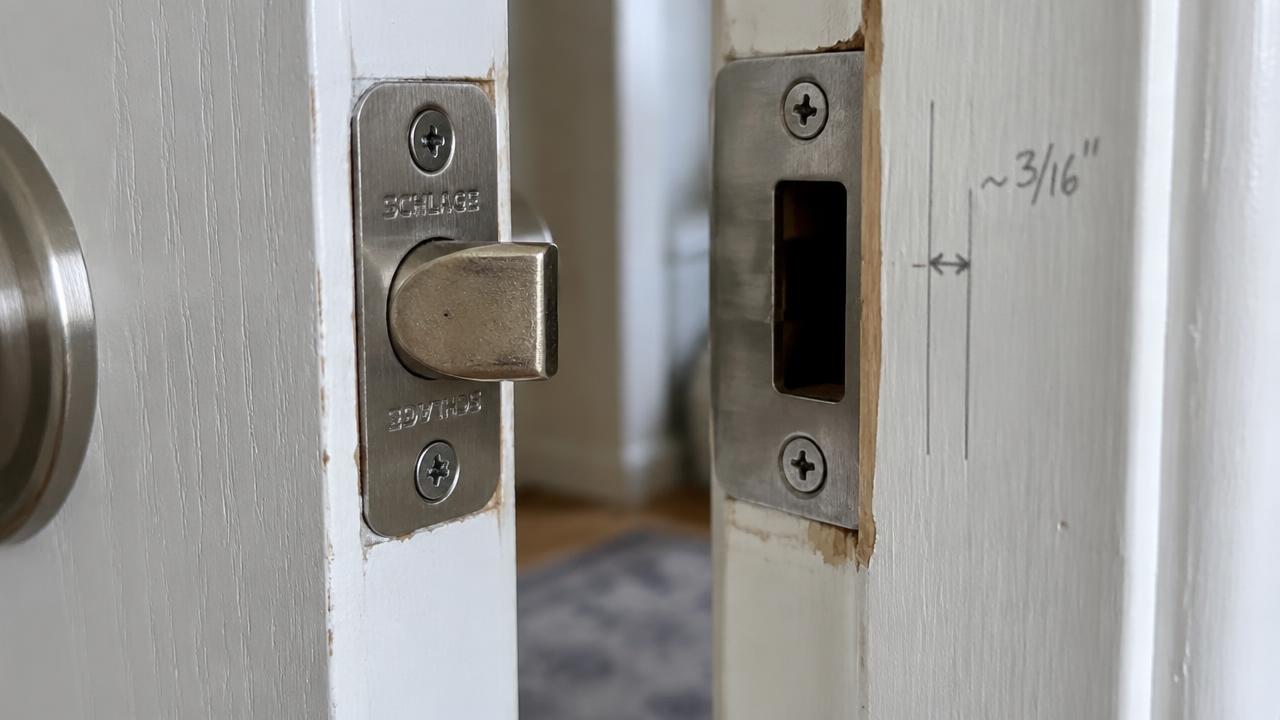
If the door only seals when you lean on it, new weatherstripping won't help. The latch is pulling the door to a position that leaves a gap somewhere else. Adjusting the strike, hinges or the frame itself brings the whole edge into even contact.