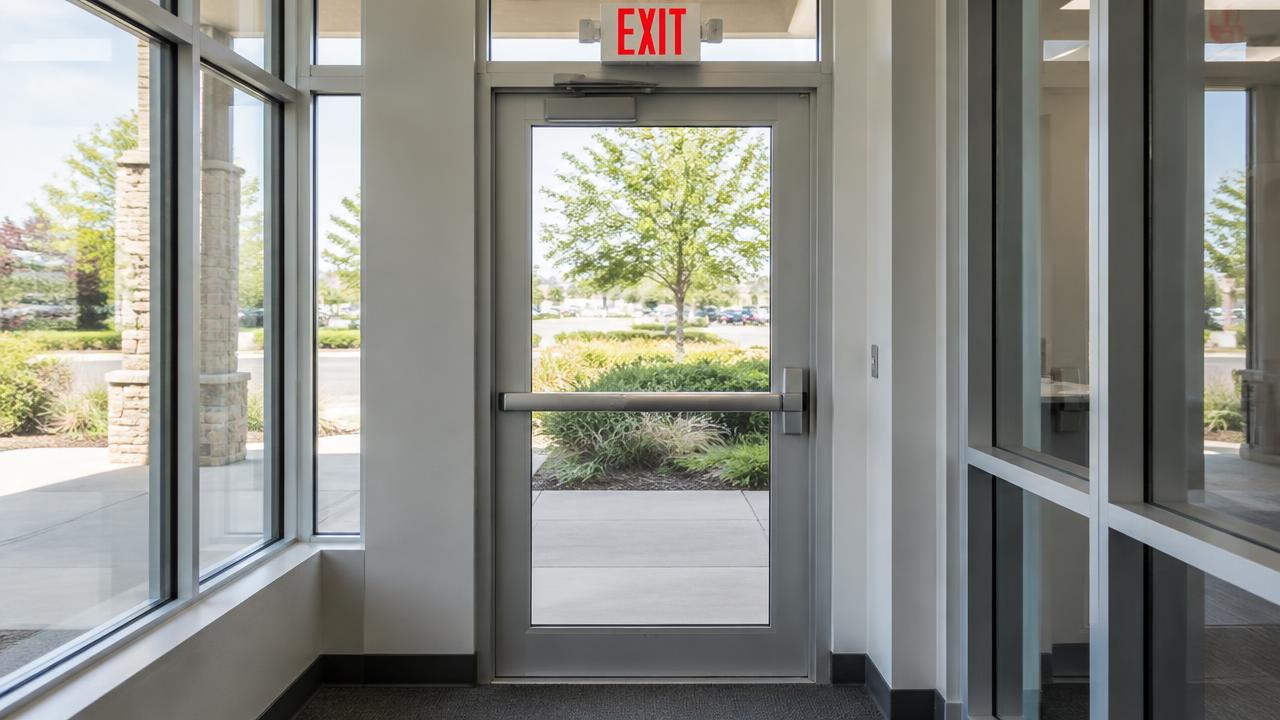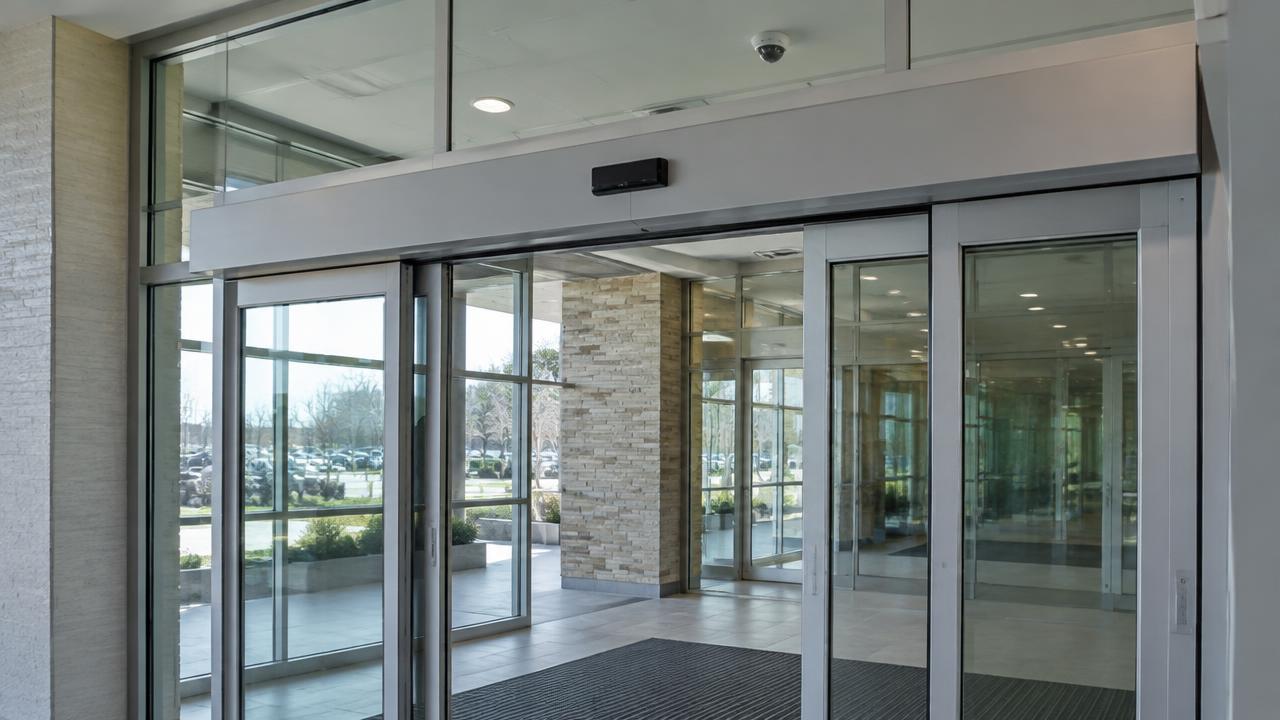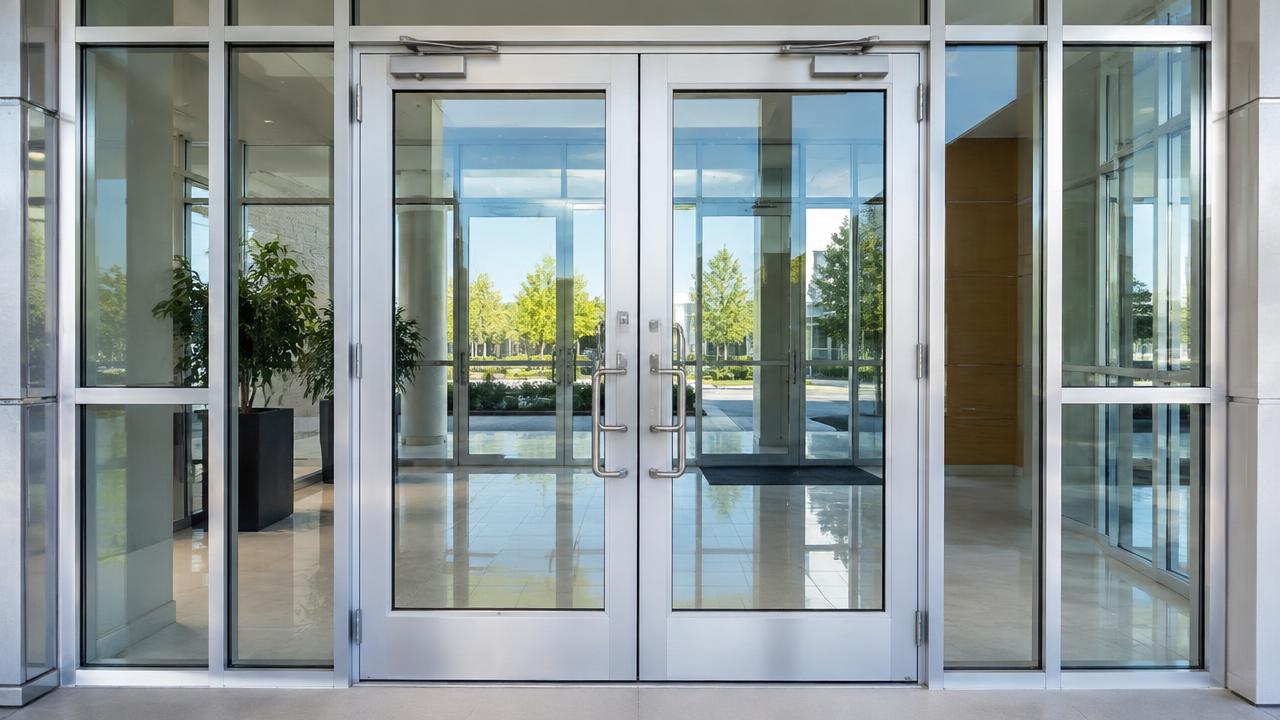
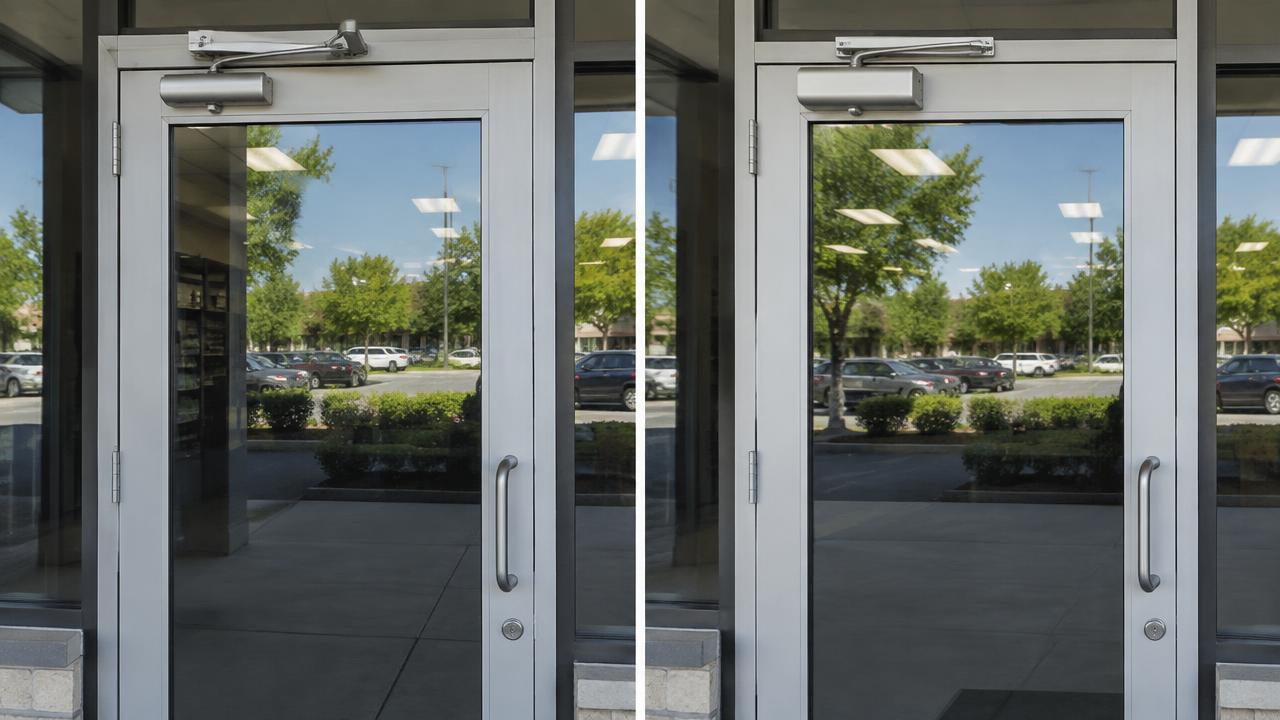
A door closer is a hydraulic device doing hundreds of cycles a day. When it starts to fail it takes the rest of the door with it — hinges, frame, glass and lock all suffer from a door that slams.
The door slams
Latch speed has run away, usually because the valve setting has drifted or the fluid has thinned. A closer that slams will crack glass, loosen the frame and knock the lock out of alignment within months.
The door doesn't close all the way
Loss of closing force, often combined with a stiff seal or a dragging bottom rail. On a business door this means it isn't latching — the building is unlocked whenever nobody is watching.
Oil on the door or the frame
A leaking closer has lost its seals. There is no fluid to top up: leaking closers are replaced, not repaired, and they will keep getting weaker.
It's suddenly hard to open
Cold weather thickens hydraulic fluid. Closers with temperature-stable fluid handle Ontario winters much better, and this is worth specifying on a customer-facing entrance where accessibility matters.
What a service visit covers
- Adjusting sweep speed, latch speed and backcheck
- Setting closing force appropriate to the door and to accessible-entrance requirements
- Checking the arm geometry and re-securing the mounting
- Replacing the unit if the seals have gone