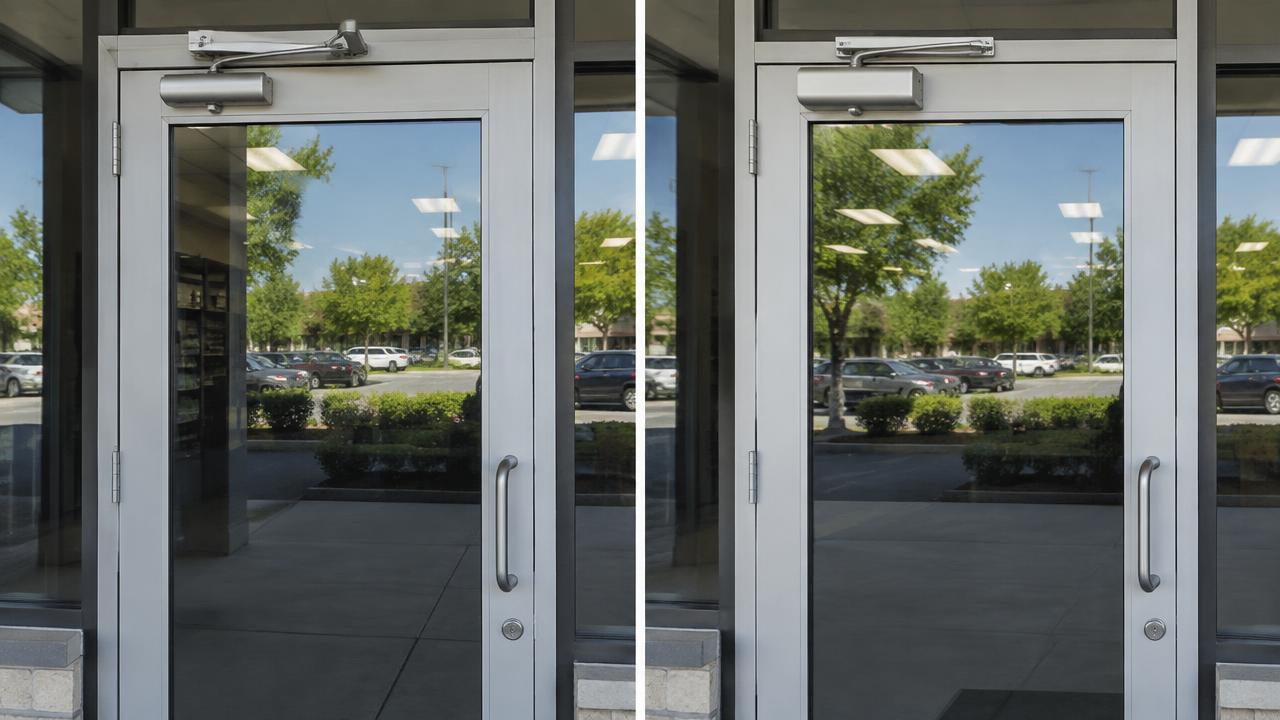
Almost every emergency door call we attend was preventable. Hardware gives plenty of warning; it just gives it quietly. This is the checklist we work to on maintenance contracts.
Monthly — anyone on site can do this
- Open and close every exterior door; note anything that drags, sticks or slams
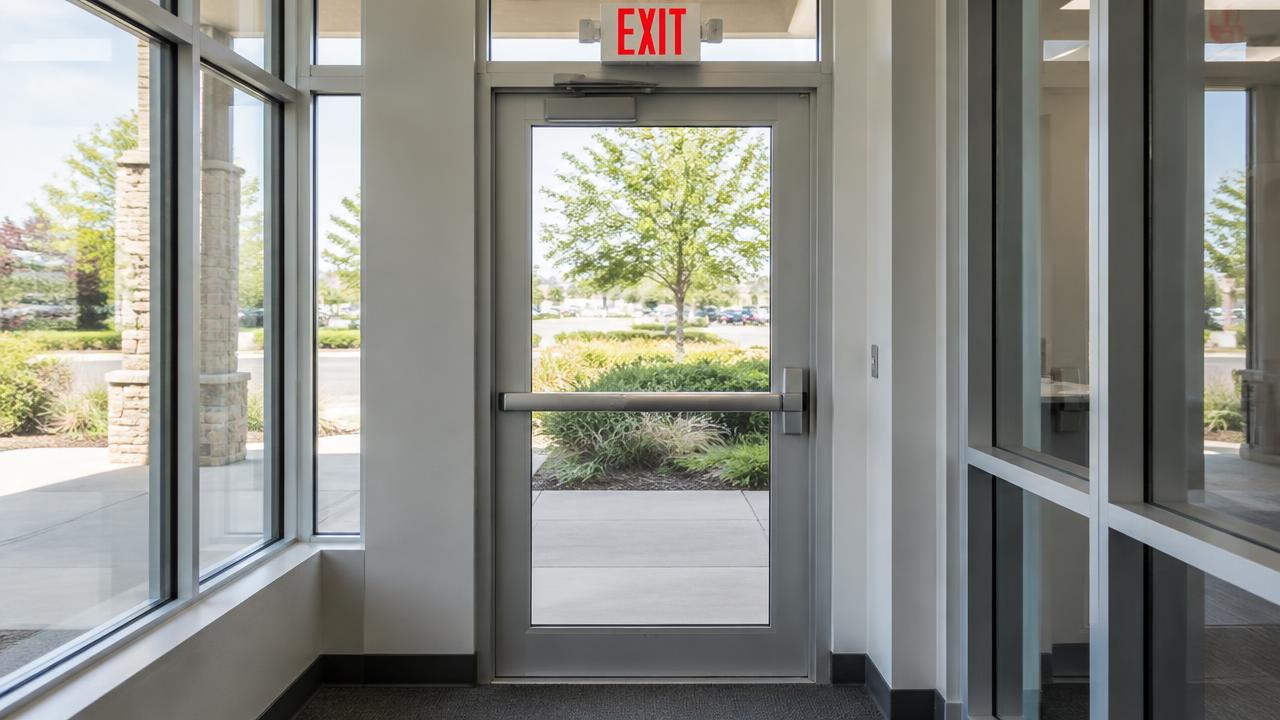
- Push every exit device once, single-handed, and confirm it releases
- Confirm each door latches on its own without being pulled
- Check exit paths are clear and exit signs and emergency lights work
- Look for oil under closers and for loose or missing screws
Quarterly
- Lubricate hinges, pivots and exit device mechanisms with the correct product
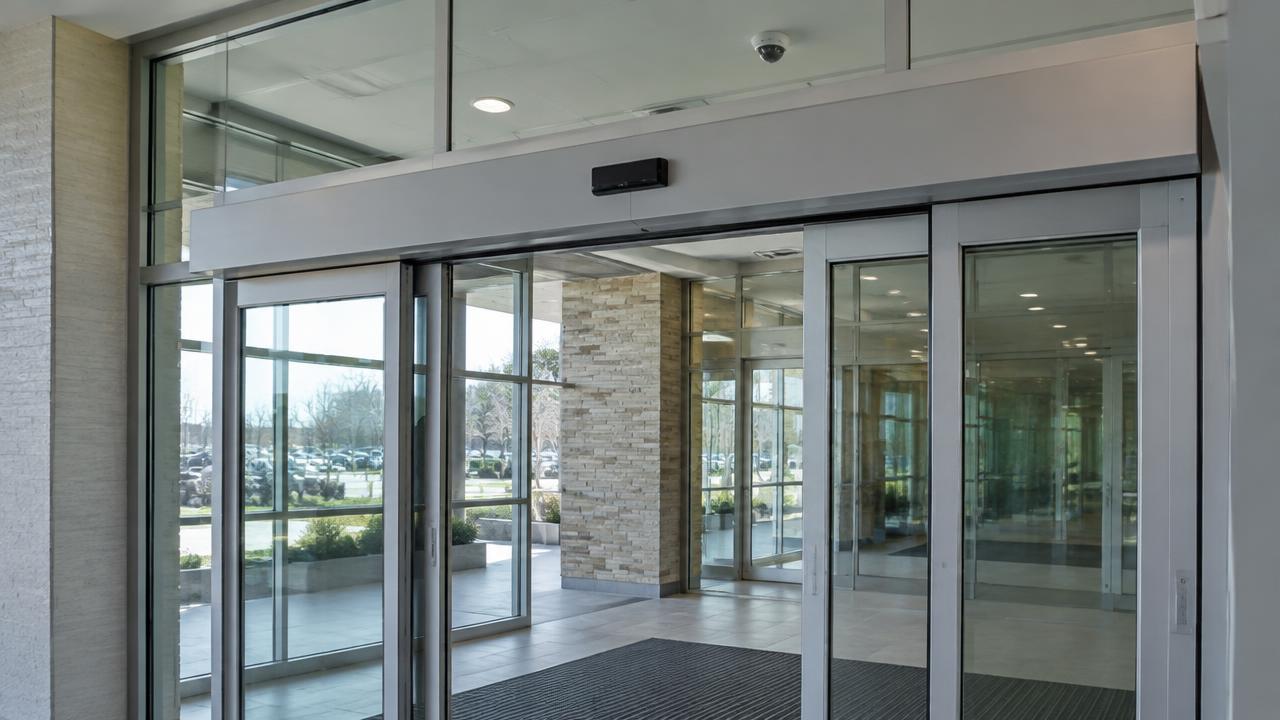
- Clean and inspect sliding tracks and rollers
- Check weatherstripping, sweeps and thresholds for wear
- Test access control readers, request-to-exit devices and door position switches
- Verify keypads, fobs and codes for staff who have left
Annually — with a technician
- Full adjustment of closers and automatic operators, including force and speed
- Inspection of fire door assemblies and their hardware
- Frame, anchor and hinge inspection on high-traffic doors
- Review of the key system, key holders and any restricted key records
- Glass and glazing inspection for chips, cracks and failed seals
Keep records
Log every check with a date and initials, and keep the log where an inspector can see it. It also tells you which door is consuming your maintenance budget and should be rebuilt rather than repaired again.
Seasonal notes for the GTA
Before winter: check closer fluid behaviour in cold, clear thresholds, and confirm sweeps still seal. After winter: rinse salt out of tracks and sills, which is the single biggest cause of corroded bottom rails and seized rollers.