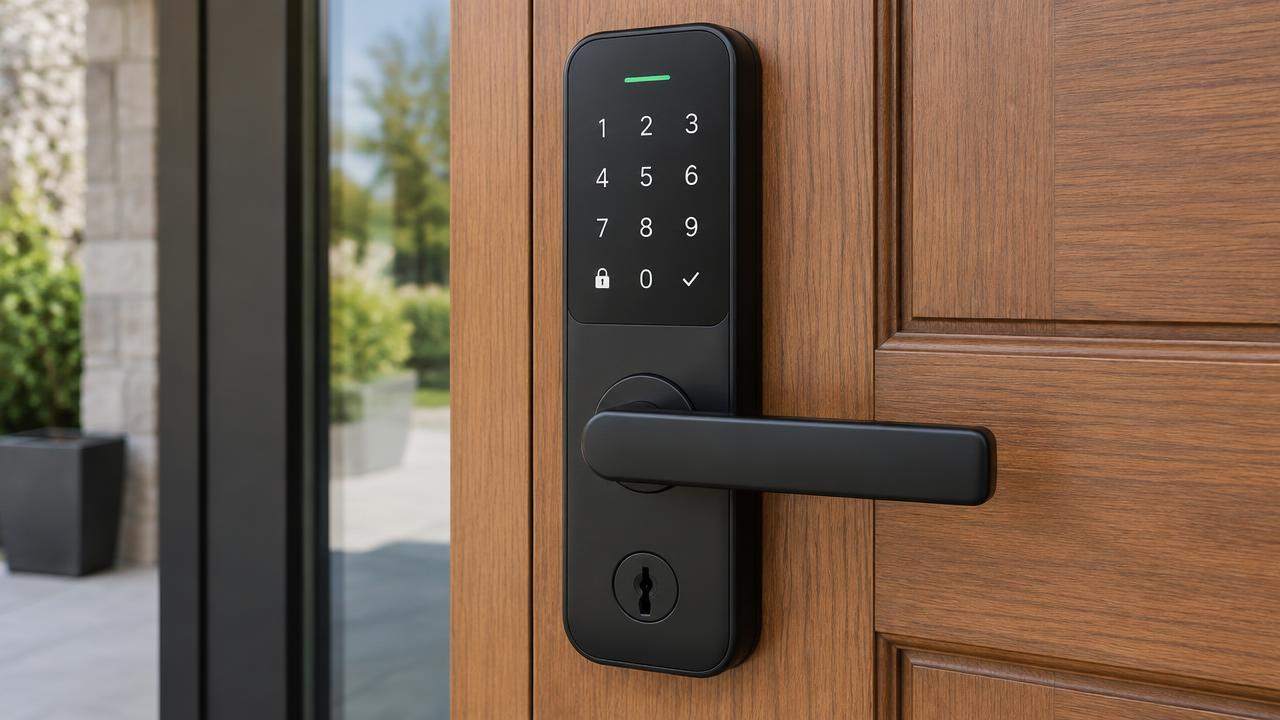
Smart locks are genuinely useful — no more hiding a key for the dog walker — but a lock is a mechanical device first. The ones that disappoint people are almost always the ones installed on a door that wasn't ready for them.
The three main types
- Retrofit interior units: keep your existing cylinder and key, motorize the thumbturn. Least disruptive.
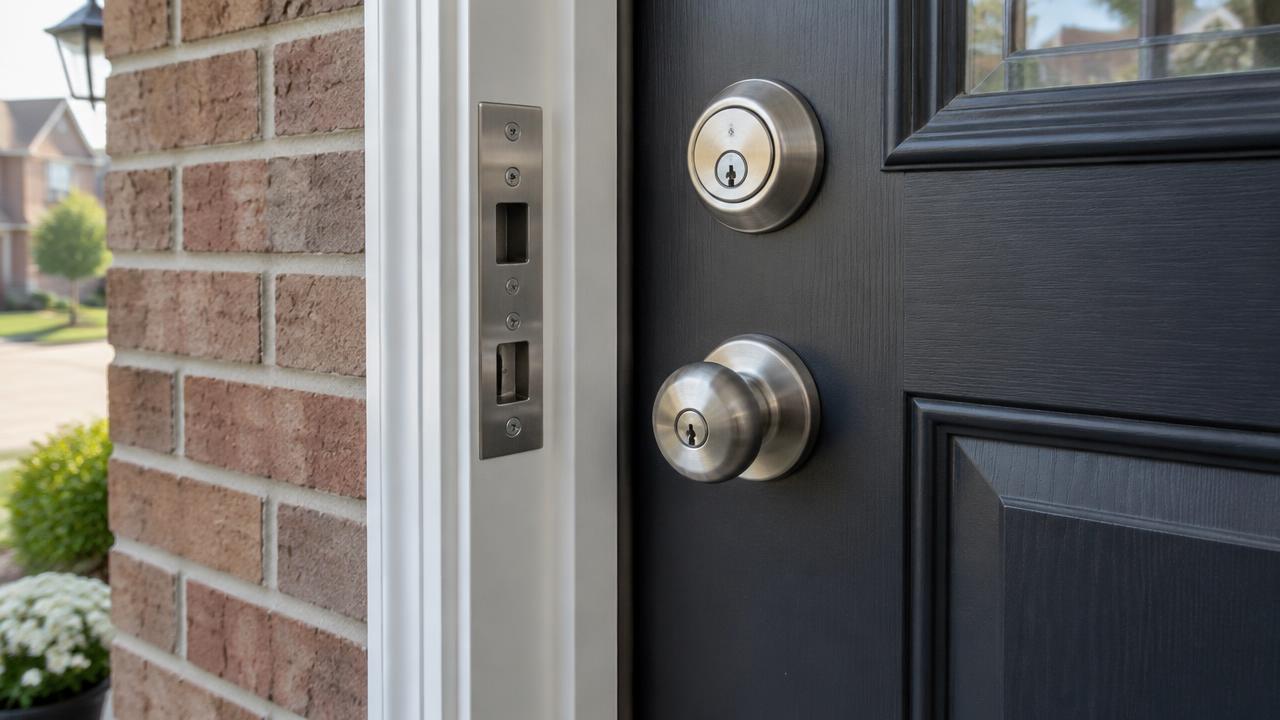
- Full keypad deadbolts: replace the whole deadbolt, code and key entry, most common choice.
- Multipoint and commercial-grade smart hardware: for doors with a multipoint mechanism or an access-control system.
Cold-weather realities
Battery capacity drops as temperature falls, and a motorized bolt draws far more current than a manual one. A door that binds slightly is fine to turn by hand and will drain a smart lock's batteries fast. Fixing alignment before installing is not optional — it's the difference between a lock that lasts a winter on one set of batteries and one that dies in February.
Door prep matters
- Standard 54 mm bore and 25 mm edge bore, or the lock won't fit
- Door thickness within the lock's range — thick doors need a spacer kit
- The bolt must throw fully with no resistance before the motor is asked to do it
- Metal doors and metal frames can affect wireless range
Keep a mechanical fallback
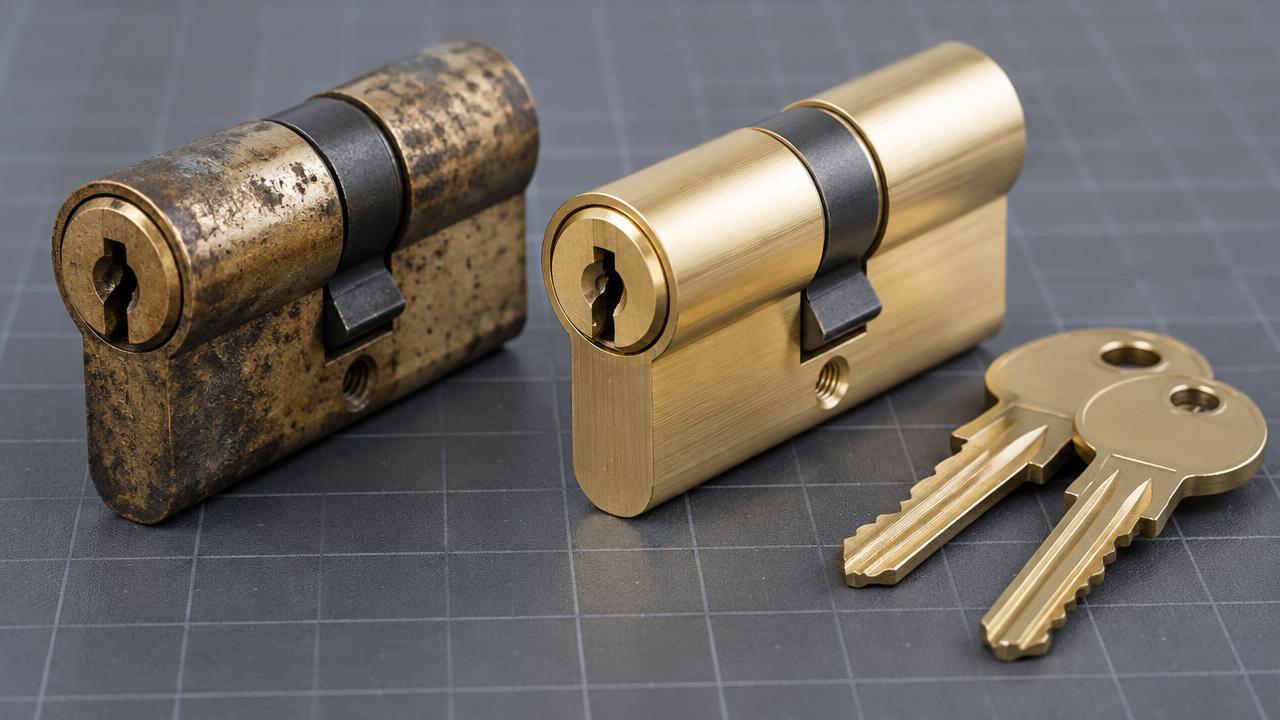
Choose a lock with a keyway or an external battery contact. Whatever the app promises, you want a way in when the phone is dead and the batteries are flat.