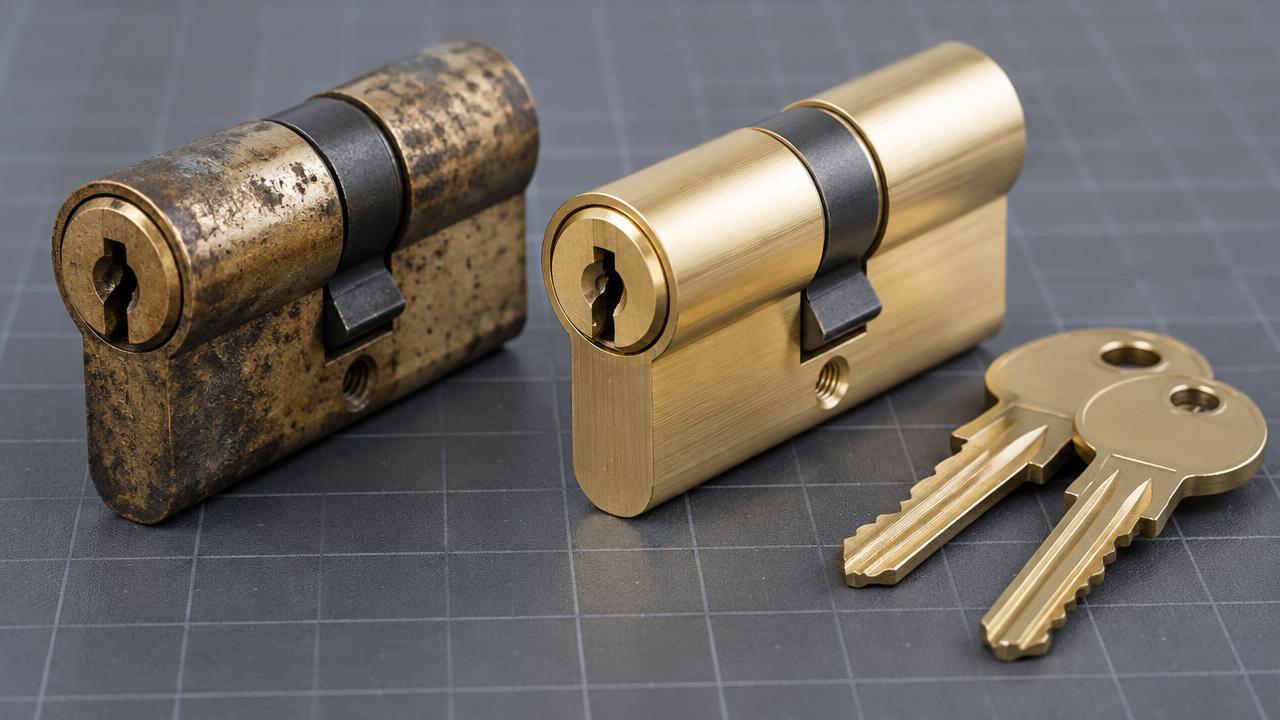
Losing keys puts you in front of one decision: rekey the locks you have, or replace them. They solve different problems, and picking the cheaper option is right more often than people assume.
What rekeying actually does
The cylinder comes apart and the pin stack is changed so the old key no longer turns it. The lock body, finish and handle all stay. Any old key — including ones you don't know exist — stops working immediately.
Rekey when
- You've lost a key but the locks work well
- A tenant, contractor, cleaner or ex-partner may still hold a copy
- You want several doors on one key
- The hardware is good quality and you like it
Replace when
- The lock is worn, sticky or the key already needs jiggling
- It's a builder-grade lock and you want a higher security grade
- The lock was damaged in a forced entry
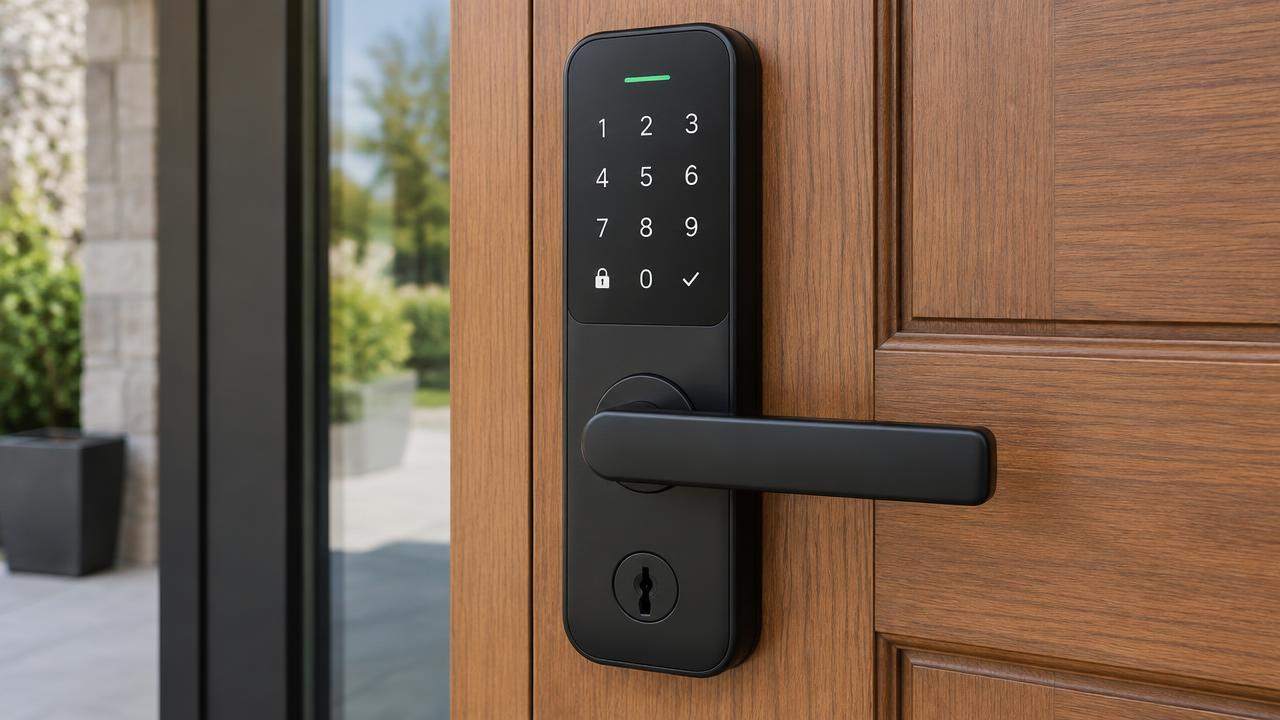
- You're moving to smart locks or a keyed-alike system with different hardware
The overlooked doors
People rekey the front door and forget the side, the garage entry and the padlock on the shed. If a lost keyring had them all on it, they all need doing — and it costs less to do them in one visit.